Last updated 2026-07-24
TL;DR
You can't safely make copper peptides at home for injection or topical use. GHK-Cu synthesis requires precise copper-to-peptide stoichiometry, sterile conditions, and stability testing that home setups can't deliver. Contaminated or incorrectly balanced preparations risk infection, copper toxicity, and zero therapeutic effect. Provider-reviewed formulations from 503A pharmacies cost $150-$400 and meet USP sterility standards; cosmetic-grade topicals run $40-$120. The risk of a failed or dangerous homebrew far exceeds any savings.
Can you make GHK-Cu at home?
Technically yes, practically no. Mixing raw GHK tripeptide powder with a copper salt sounds simple. But stable, safe GHK-Cu needs controlled pH, correct copper oxidation state, sterile water, and a stoichiometric ratio that keeps copper bioavailable without excess free ions. Home labs can't verify purity, measure actual copper content, or test for endotoxins. The FDA regulates bulk drug substances under 21 CFR 216.23 for 503A compounding pharmacies.[1] GHK-Cu is not on the final 503A bulks list, but it appears on the nominated substances roster awaiting FDA evaluation.[2] That means pharmacies can compound it under specific conditions, but individuals cannot legally compound drugs for others, and self-compounding for injection carries every risk of contamination without the legal or quality oversight. A 2023 study in Pharmaceutics tested liposomal GHK-Cu formulations and found that encapsulation efficiency, particle size, and copper release kinetics all depend on precise lipid ratios and pH control during synthesis.[3] The authors noted that "inappropriate preparation conditions lead to premature copper release and peptide degradation." Home mixers have no way to measure those parameters. If you're asking because cosmetic serums are expensive, understand that a $60 serum and a syringe of sterile GHK-Cu from a pharmacy are not interchangeable products. Topical formulations use stabilizers, penetration enhancers, and preservatives that are safe on skin but toxic if injected. Injectable preparations must meet USP <797> sterility standards, which require ISO-rated clean rooms, endotoxin testing, and sterility assurance levels that a kitchen or garage simply cannot achieve.
What makes GHK-Cu formulation difficult?
GHK is a tripeptide (glycyl-L-histidyl-L-lysine) that binds one copper (II) ion per molecule. The histidine residue coordinates the copper, but if the copper-to-peptide ratio is wrong, you get free copper ions (pro-oxidant and toxic) or free peptide (biologically inert without copper). A 2020 study in International Journal of Molecular Sciences synthesized a ternary complex of GHK, copper, and cis-urocanic acid to stabilize the copper and found that "the stability constant and biological activity strongly depend on the exact molar ratio and pH range 6.5 to 7.4."[4] Copper (II) salts are hygroscopic and oxidize easily. Copper sulfate, the most common lab-grade salt, must be anhydrous and stored under inert gas to prevent water uptake and copper hydroxide precipitation. If your copper source has degraded, your peptide won't bind it, and you'll inject free copper. Sterility is non-negotiable for injectables. A 2025 review in BioImpacts noted that "topical GHK-Cu preparations face stability challenges from oxidation, copper precipitation, and microbial contamination," and those are formulations meant only for intact skin.[5] Injecting a non-sterile solution bypasses every barrier your immune system has: skin, mucosa, stomach acid. Endotoxin from gram-negative bacteria can survive in water that looks clear and trigger septic shock at nanogram doses. A 2024 study using capillary electrophoresis and inductively coupled plasma mass spectrometry (CE-ICP-MS/MS) to monitor GHK-Cu encapsulation in liposomes found that "free copper ion levels must be quantified separately from bound copper to assess formulation quality," and the method required specialized analytical equipment unavailable outside certified labs.[6] Without that testing, you're guessing whether your homebrew contains 10 ppm or 1000 ppm free copper.
What are the safety risks of DIY copper peptides?
Copper is an essential trace element, but it's toxic in excess. The EPA sets a maximum contaminant level of 1.3 mg/L (1.3 ppm) in drinking water because chronic exposure above that causes gastrointestinal distress and liver damage. Injecting even a few milligrams of free copper bypasses the gut's absorption controls and delivers it straight to circulation. A 2023 study in Journal of Cachexia, Sarcopenia and Muscle tested GHK-Cu at 10 mg/kg in mice and found improved muscle function via a sirtuin-1-dependent pathway.[7] That's a controlled dose in a controlled formulation. A DIY prep with unknown copper content could deliver ten times that or one-tenth, with no way to know which until you see the effect (or lack of it, or toxicity). Contamination is the bigger immediate risk. Injectable peptides must be sterile and pyrogen-free. Endotoxin (lipopolysaccharide from bacterial cell walls) is heat-stable, so boiling water doesn't remove it. A 2016 study in Oncotarget showed that GHK-Cu at 10 mg/kg protected mice from LPS-induced acute lung injury,[8] but that was testing GHK-Cu's therapeutic effect against a known LPS dose, not assessing the peptide's contamination. If your homebrew is contaminated with LPS and you inject it, you're creating the problem GHK-Cu was tested to treat. A 2019 review in Aging Pathobiology and Therapeutics noted that "GHK-Cu's anti-inflammatory and antioxidant effects are dose-dependent, and excessive copper can induce oxidative stress via Fenton chemistry, generating hydroxyl radicals."[9] The therapeutic window is real, and missing it turns a healing peptide into a pro-oxidant. Cross-contamination with other peptides or chemicals in your workspace is also a risk. If you've mixed other compounds in the same space, residues on glassware or scales can end up in your GHK-Cu. Pharmacy compounding follows strict cleaning and verification protocols (USP <795>, <797>, <800>) that home environments don't.
What does legitimate GHK-Cu compounding look like?
A 503A compounding pharmacy that prepares GHK-Cu does so under a valid prescription, in an ISO 5 (Class 100) laminar flow hood, using USP-grade ingredients and sterile technique. The pharmacist verifies the identity and purity of the GHK peptide and copper source, tests for endotoxin, performs sterility testing per USP <71>, and assigns a beyond-use date based on stability data or literature. The final product is labeled with patient name, drug name, strength, volume, beyond-use date, storage conditions, and pharmacy contact. Under 21 U.S.C. 353a, a compounding pharmacy may prepare a drug product that is not FDA-approved if it is compounded for an individual patient based on a prescription, uses bulk substances from the FDA's approved list (or meets other criteria), and does not compound drugs that are essentially copies of commercially available FDA-approved drugs.[10] GHK-Cu has no FDA-approved injectable product, so compounding is permissible under 503A if the bulk substance is on the nominated list and the prescription is valid. A 2026 review in Journal of the American Academy of Orthopaedic Surgeons Global Research & Reviews described the compounding landscape for peptides in orthopaedic practice and noted that "compounded formulations lack the batch-to-batch consistency and regulatory oversight of FDA-approved drugs, but they fill a gap where no approved alternative exists."[11] The authors recommended that physicians source compounded peptides only from pharmacies with current USP <797> accreditation and third-party testing. Provider-reviewed GHK-Cu from a pharmacy partner typically costs $150 to $400 for a 10-20 mL vial at 2-5 mg/mL, depending on the pharmacy's sourcing and testing protocols. That's not cheap, but it includes sterility assurance, accurate dosing, and a pharmacist's professional liability behind it. A DIY batch might save $100, but the cost of treating an infection or copper toxicity is orders of magnitude higher.
Can you make topical GHK-Cu serum at home?
Topical GHK-Cu has a larger evidence base than injectable GHK-Cu, but formulating a stable cosmetic serum is still chemistry, not cooking. A 2023 study in Journal of Cosmetic Dermatology tested GHK-Cu combined with hyaluronic acid on fibroblasts and ex-vivo skin and found significant upregulation of collagen IV.[12] The formulation used a proprietary stabilizer system to keep the copper complex intact at pH 5.5 to 6.5, the range where skin tolerates it and the peptide remains stable. A 2025 study in Molecules tested skin permeation of GHK-Cu in liposomal carriers and concluded that "encapsulation in liposomes is necessary for measurable dermal penetration; aqueous solutions of GHK-Cu show negligible permeation due to the peptide's hydrophilicity and positive charge."[13] Simply dissolving GHK and copper in water and rubbing it on your face won't deliver the peptide past the stratum corneum. Cosmetic formulations also need preservatives. Water-based serums grow bacteria and mold within days if unpreserved. Phenoxyethanol, optiphen, and leucidal are common cosmetic preservatives, but effective use requires knowing the minimum inhibitory concentration, pH compatibility, and stability testing. A DIY serum without preservatives is a petri dish. If you're mixing a topical GHK-Cu at home, you're competing with commercial serums that cost $40 to $120 for 30 mL, have third-party testing for copper content, and use proven delivery systems. The time and material cost of sourcing USP-grade peptide, copper sulfate, a stabilizer, a preservative, and pH buffers, plus the risk of making a useless or irritating product, makes DIY a poor value proposition unless you're formulating for a dozen people. A 2025 study in BioImpacts reviewed the challenges of topical GHK-Cu and noted that "while GHK-Cu has demonstrated anti-wrinkle effects in clinical trials, product-to-product variability in copper content, peptide purity, and delivery system design makes independent verification essential."[5] Home formulators have no access to that verification.
What do you actually need to compound GHK-Cu?
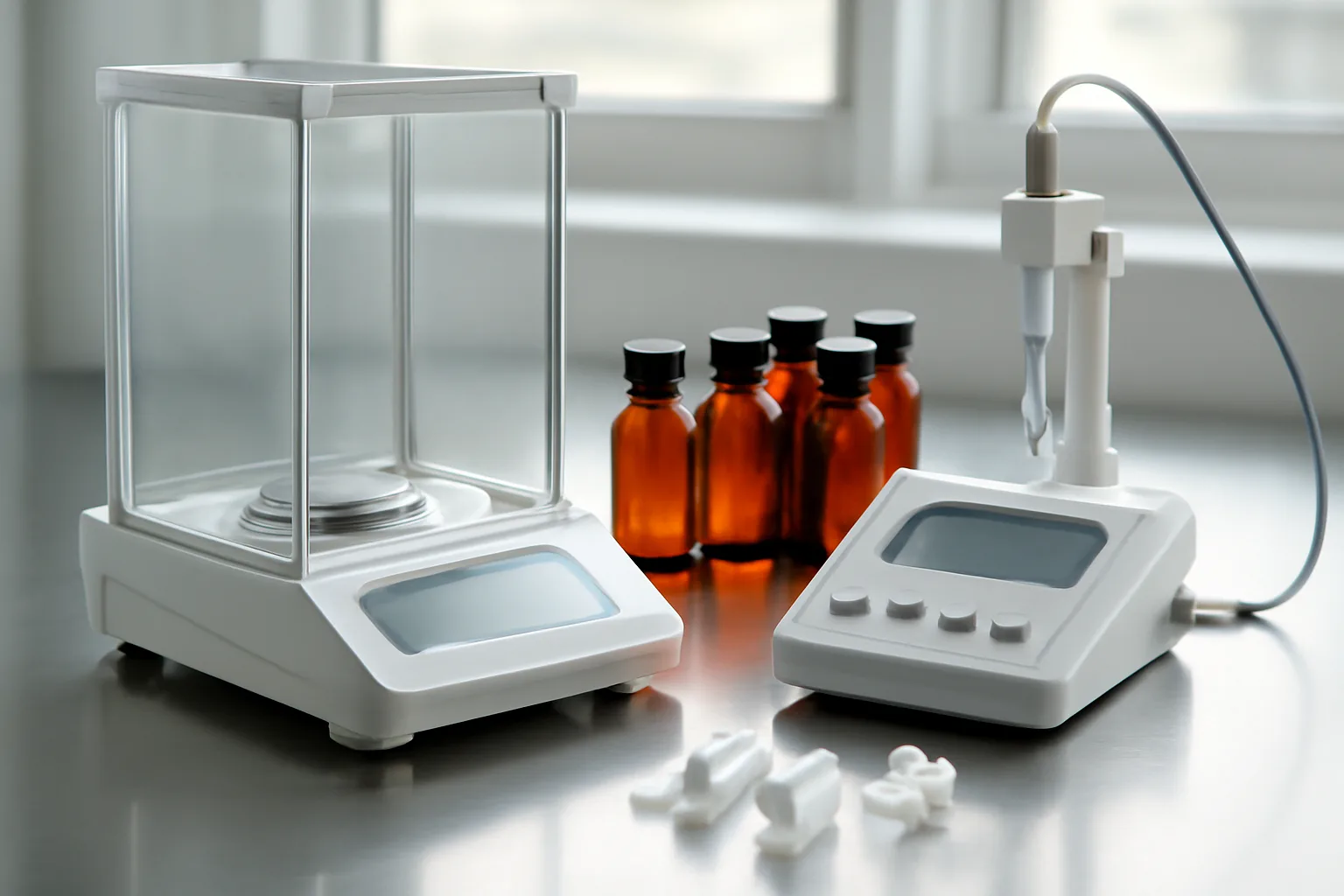
If you're determined to try, here's the realistic supply list and why each item is a barrier: Raw materials: USP-grade GHK peptide (98%+ purity, verified by HPLC), anhydrous copper (II) sulfate or copper (II) chloride (reagent grade, tested for heavy metal contamination), bacteriostatic water (sterile, preservative-added if multi-dose), sodium hydroxide or hydrochloric acid for pH adjustment (to 6.5-7.0), and sterile 0.22-micron syringe filters. Cost: $200-$400 for enough material to make 50-100 mL, assuming you can source GHK in small quantities (most peptide suppliers have 1-gram minimums, which is 200+ doses). Equipment: Analytical balance accurate to 0.001 g (costs $300-$1,200), pH meter with calibration solutions ($100-$500), laminar flow hood or ISO 5 clean room access (impossible for home users; a countertop "clean box" is not equivalent), sterile vials and stoppers (autoclaved or purchased pre-sterile), and syringes/needles for filtration and transfer. You also need a way to verify that your 0.22-micron filtration actually sterilized the solution, which requires sterility testing per USP <71> (send-out to a microbiology lab, $150-$300 per sample). Knowledge: You need to calculate the molar ratio of GHK to copper (1:1 for the complex), adjust for the molecular weight of your specific copper salt and its hydration state (copper sulfate pentahydrate is 249.68 g/mol, anhydrous is 159.61 g/mol), and account for the fact that not all copper will bind (equilibrium constant matters). You need to know what pH causes copper hydroxide precipitation (above 7.5) and what pH denatures the peptide (below 4 or above 9). A 2008 review in Journal of Biomaterials Science described GHK's tissue-remodeling effects and noted that "the copper-binding histidine residue is pH-sensitive, and incorrect pH during synthesis results in inactive or unstable complexes."[14] A 2017 study in Wound Repair and Regeneration tested GHK-Cu liposomes in a mouse scald model and found that "liposomal encapsulation protected the peptide from degradation and allowed sustained release," but the authors prepared liposomes using thin-film hydration and extrusion through polycarbonate membranes, techniques that require specialized equipment and optimization.[15] A simple aqueous mix lacks that stability.
What does the research say about GHK-Cu stability?
GHK-Cu is not a shelf-stable molecule. A 2018 study in International Journal of Molecular Sciences analyzed gene expression changes induced by GHK-Cu and noted in the methods that "GHK-Cu solutions were prepared fresh before each experiment and used within 24 hours due to oxidative degradation of the copper complex in aqueous media."[16] That's in a controlled lab with degassed solvents and proper storage. Your homebrew in a vial on the counter will degrade faster. Copper (II) can oxidize the peptide itself, especially in the presence of oxygen and light. A 2025 study in Bioconjugate Chemistry tested GHK-Cu conjugated to hyaluronan and found that "free copper ions generated via dissociation of the complex produce reactive oxygen species that damage the peptide backbone," and the authors used radical scavengers and nitrogen purging during synthesis to mitigate it.[17] You won't be doing that at home. Photodegradation is another issue. Copper complexes absorb UV and visible light, which can break the coordination bond and release free copper. A 2020 study in Life Sciences tested GHK-Cu's protective effects in bleomycin-induced pulmonary fibrosis and stored the peptide "in amber glass vials at 4°C, protected from light," following standard peptide storage protocols.[18] Clear vials in room light will lose potency. A 2015 study in Journal of Orthopaedic Research tested GHK-Cu in a rat ACL reconstruction model and noted that "GHK-Cu was prepared weekly and stored at -20°C to preserve activity," suggesting even refrigerated aqueous solutions have limited stability.[19] The study found transient improvement in tendon healing at 2 weeks but no difference at 6 weeks, and the authors speculated that peptide degradation in vivo contributed to the limited duration of effect. If it degrades in a living rat, it's degrading in your vial.
How do provider-reviewed compounded GHK-Cu formulations compare?
Copper Peptide Direct works with 503A pharmacy partners that compound GHK-Cu under prescription, using verified GHK peptide from cGMP suppliers and performing in-house or third-party testing for copper content, sterility, and endotoxin. The typical formulation is 2 to 5 mg/mL GHK-Cu in bacteriostatic water or saline, pH-adjusted to 6.8-7.2, sterile-filtered, and dispensed in multi-dose vials with a 30- to 90-day beyond-use date depending on the pharmacy's validation data. The cost difference between DIY and pharmacy-compounded GHK-Cu is smaller than it appears once you account for waste. If you buy 1 gram of GHK peptide for $150 and copper salts for $20, you have enough material for 200 mL at 5 mg/mL. But if you lack the equipment to accurately weigh 5 mg or the knowledge to verify binding, your first three batches are likely unusable. By the fourth attempt, you've spent 10 hours and still have no sterility assurance. A pharmacy vial costs $150 to $250 for 10 mL, is ready to use, and carries pharmacist liability. The hourly cost of your time plus materials likely exceeds the pharmacy price before you even inject. A 2026 review in American Journal of Sports Medicine surveyed injectable peptide therapy in sports medicine and noted that "the lack of standardized compounding protocols and quality control across pharmacies is a significant concern," and recommended that physicians "request certificates of analysis for potency, sterility, and endotoxin from the compounding pharmacy."[20] If you're compounding yourself, you have no certificate, no assurance, and no recourse if something goes wrong.
What are the legal and liability issues?
If you compound GHK-Cu for yourself and inject it, you're conducting an uncontrolled self-experiment. That's legal (you can't sue yourself for malpractice), but it's medically unwise and no physician will support it. If you share or sell homebrew GHK-Cu to someone else, you're manufacturing an unapproved drug and violating the Federal Food, Drug, and Cosmetic Act. Under 21 U.S.C. 331, introducing an unapproved new drug into interstate commerce is a prohibited act, and the FDA has brought criminal cases against individuals selling compounded peptides without pharmacy licenses. Under 21 CFR 201.128, "the intended uses of a drug product may be determined by its labeling claims, advertising, or any other relevant source," and if you post online about making and using GHK-Cu, you're establishing intended use, which brings FDA jurisdiction.[21] The agency generally doesn't go after individuals making drugs solely for personal use, but the line between personal use and distribution is easy to cross (one vial shared with a friend is distribution). If you experience an adverse event from homebrew GHK-Cu, no one will help you figure out what went wrong. Was it endotoxin? Free copper toxicity? An allergic reaction to a contaminant? Incorrect peptide (supplier fraud is common in the gray-market peptide world)? Without a certificate of analysis and a batch record, you're guessing. A 2026 review in Sports Medicine examined the safety of approved and unapproved peptide therapies and concluded that "adverse event reporting and causality assessment are nearly impossible for compounded or black-market peptides due to unknown composition."[22] If you're making a topical serum for personal use, the legal risk is lower (cosmetics are less regulated than drugs), but the FDA can still act if your product causes harm or if you make therapeutic claims. The agency issued warning letters to several cosmetic companies in 2023 for marketing "peptide serums" with anti-aging claims that crossed the line into drug claims without FDA approval.
What should you do instead of DIY?
If cost is the barrier, compare the real options. A topical GHK-Cu serum from a reputable cosmetic supplier (Skin Actives, The Ordinary, or similar, though specific brand availability changes) costs $40 to $80 for a 1-2 month supply and has actual stability and safety testing. If you want injectable GHK-Cu, get a prescription from a licensed provider who understands peptide therapy, and fill it at a 503A pharmacy with current accreditation. Expect to pay $150 to $400 per vial (10-20 mL at 2-5 mg/mL), which covers sterility assurance, accurate dosing, and professional oversight. A 2026 review in International Journal of Molecular Sciences examined therapeutic peptides in aesthetic medicine and noted that "patient safety depends on verifiable product quality, appropriate dosing, and medical supervision," and recommended that "patients avoid purchasing peptides from non-pharmacy sources."[23] That includes DIY, gray-market Chinese suppliers, and research chemical vendors whose disclaimers say "not for human use" (a legal fig leaf that doesn't make the product safer). If you're fascinated by the formulation science and want to experiment, consider starting with a legal, lower-risk project: a topical serum using a cosmetic-grade GHK-Cu concentrate (available from some raw material suppliers) and following established cosmetic formulation protocols. That won't bypass the complexity, but at least you're not risking infection or copper toxicity, and you're not violating drug manufacturing laws. The research on GHK-Cu is real. A 2026 study in Biogerontology found that GHK-Cu extended lifespan in C. elegans via mitochondrial function and DAF-16/SKN-1 pathway activation.[24] A 2023 study in Redox Biology showed that GHK-Cu attenuated lung inflammation and fibrosis in silicosis by targeting peroxiredoxin 6.[25] A 2025 study in Frontiers in Pharmacology demonstrated beneficial effects in experimental colitis.[26] But all of those used pharmaceutical-grade peptide, controlled dosing, and proper formulation. The effects don't transfer to a homebrew with unknown purity, copper content, and sterility.
Frequently asked questions
Where can I buy raw GHK peptide powder?
USP-grade GHK is available from peptide synthesis companies, but most have 100 mg to 1 g minimum orders ($100-$300). Gray-market suppliers sell cheaper GHK, but purity and identity are unverified, and some shipments have tested as entirely different peptides. If you're not a licensed compounder, buying bulk GHK for injectable use is a regulatory gray area.
Is GHK-Cu the same as copper serum?
No. GHK-Cu is the tripeptide glycyl-L-histidyl-L-lysine bound to one copper (II) ion in a 1:1 complex. Copper serum or copper gluconate are different compounds with different biological activity. GHK-Cu's effects come from the peptide-copper complex, not free copper ions, which are toxic.
Can I use copper sulfate from a hardware store?
Absolutely not. Hardware-grade copper sulfate contains arsenic, lead, and other heavy metal contaminants at levels that are fine for killing algae but disastrous for injection. You need reagent-grade or USP-grade copper salts, which cost $20 to $60 for 100 g and come with a certificate of analysis.
How do I know if my DIY GHK-Cu is sterile?
You don't, unless you send a sample to a microbiology lab for USP <71> sterility testing ($150-$300). Filtering through a 0.22-micron filter removes bacteria but not endotoxin, and you need an LAL (limulus amebocyte lysate) test to detect endotoxin. Home users have no access to these assays.
What ratio of GHK to copper should I use?
The stoichiometric ratio is 1:1 molar: one molecule of GHK binds one copper (II) ion. GHK has a molecular weight of 340.38 g/mol. Anhydrous copper sulfate is 159.61 g/mol. To make a 5 mg/mL GHK-Cu solution, you need 3.40 mg GHK and 2.35 mg copper sulfate per mL, but achieving complete binding requires precise pH (6.5-7.2) and mixing order, which literature doesn't fully detail for every condition.
Can I store GHK-Cu at room temperature?
No. GHK-Cu degrades rapidly at room temperature due to oxidation and copper dissociation. Aqueous solutions should be stored at 2 to 8°C (refrigerated), protected from light, and used within 30 to 90 days. Lyophilized GHK-Cu powder is more stable and can be stored at -20°C for 1 to 2 years, but once reconstituted, the clock starts.
What pH is safe for injectable GHK-Cu?
Injectable formulations are typically pH 6.8 to 7.4, matching physiological pH to minimize injection-site irritation. Below pH 6.5, the histidine residue's copper binding weakens, releasing free copper. Above pH 7.5, copper hydroxide precipitates. Topical serums can be more acidic (pH 5.5-6.5) to match skin pH.
How long does DIY GHK-Cu last before it goes bad?
Nobody knows, because no one publishes stability studies on uncontrolled homebrew formulations. Pharmacy-compounded GHK-Cu gets a 30- to 90-day beyond-use date based on USP <797> guidelines and any available stability data. A DIY batch without testing, sterile conditions, or preservative might be contaminated or degraded within a week.
Is it cheaper to make GHK-Cu than buy it?
On paper, raw materials for 50 mL of 5 mg/mL GHK-Cu cost $80 to $150. But factoring in equipment (balance, pH meter, sterile filters, vials), failed batches, time, and the lack of sterility and potency assurance, you're better off paying $150 to $250 for a pharmacy-compounded vial unless you're making dozens of vials (which is illegal without a pharmacy license).
Can I test my homebrew GHK-Cu for copper content?
Only if you have access to atomic absorption spectroscopy (AAS), inductively coupled plasma mass spectrometry (ICP-MS), or a quantitative colorimetric copper assay kit. Qualitative copper tests (like the biuret reagent) won't tell you whether your copper is bound to GHK or free, or whether the concentration is correct.
What happens if I inject contaminated GHK-Cu?
Bacterial contamination can cause local abscess, cellulitis, or systemic sepsis. Endotoxin contamination (lipopolysaccharide from gram-negative bacteria) can trigger fever, hypotension, and septic shock even if live bacteria aren't present. Fungal contamination, though rarer, can cause invasive fungal infection. All are serious medical emergencies.
Do I need a prescription for GHK peptide powder?
GHK itself is not a controlled substance, so buying the raw peptide for research or cosmetic formulation doesn't require a prescription. But compounding it into an injectable drug product for human use without a pharmacy license violates federal law. If you buy it intending to inject it, you're in a legal gray area that FDA enforcement could theoretically reach.
Can I make GHK-Cu topical serum at home safely?
More safely than injectable, but it's still chemistry. You need a preservative (or it molds), pH control (or copper precipitates or peptide degrades), and ideally a delivery system like liposomes (or skin penetration is minimal). The time, materials, and formulation knowledge required make commercial serums ($40-$80) a better value unless you're making large batches for personal use over months.
What delivery system does GHK-Cu need for skin penetration?
A 2025 study in Molecules found that aqueous GHK-Cu solutions show negligible dermal penetration due to the peptide's hydrophilicity and positive charge. Liposomal encapsulation, nanoparticles, or penetration enhancers (like propylene glycol or DMSO at low %) are necessary for measurable delivery past the stratum corneum. Simply dissolving GHK-Cu in water won't work topically.
Sources
- 21 CFR 216.23, FDA bulk drug substances for 503A compounding: Final 503A bulks list regulating which substances compounding pharmacies may use
- FDA, bulk drug substances nominated for use in compounding: GHK-Cu appears on the nominated substances roster awaiting FDA evaluation for 503A use
- Pharmaceutics, 2023 (PMID 37896245): Liposomal GHK-Cu encapsulation efficiency, particle size, and copper release kinetics depend on precise lipid ratios and pH control; inappropriate preparation conditions lead to premature copper release and peptide degradation
- International Journal of Molecular Sciences, 2020 (PMID 32867146): Ternary GHK-copper-cis-urocanic acid complex stability constant and biological activity strongly depend on exact molar ratio and pH range 6.5 to 7.4
- BioImpacts, 2025 (PMID 39963574): Topical GHK-Cu preparations face stability challenges from oxidation, copper precipitation, and microbial contamination; product-to-product variability in copper content, peptide purity, and delivery system design requires independent verification
- Electrophoresis, 2024 (PMID 39451062): CE-ICP-MS/MS method for monitoring GHK-Cu liposomal encapsulation found that free copper ion levels must be quantified separately from bound copper to assess formulation quality, requiring specialized analytical equipment
- Journal of Cachexia, Sarcopenia and Muscle, 2023 (PMID 36905132): GHK-Cu at 10 mg/kg in mice improved skeletal muscle function via sirtuin-1-dependent pathway
- Oncotarget, 2016 (PMID 27517151): GHK-Cu at 10 mg/kg protected mice from LPS-induced acute lung injury
- Aging Pathobiology and Therapeutics, 2020 (PMID 35083444): GHK-Cu's anti-inflammatory and antioxidant effects are dose-dependent; excessive copper can induce oxidative stress via Fenton chemistry generating hydroxyl radicals
- 21 U.S.C. 353a, pharmacy compounding statute: Compounding pharmacies may prepare non-FDA-approved drug products for individual patients under valid prescriptions, using bulk substances meeting specific criteria, if not essentially copies of commercially available approved drugs
- Journal of the American Academy of Orthopaedic Surgeons Global Research & Reviews, 2026 (PMID 41490200): Compounded peptide formulations lack batch-to-batch consistency and regulatory oversight of FDA-approved drugs; physicians should source only from pharmacies with current USP 797 accreditation and third-party testing
- Journal of Cosmetic Dermatology, 2023 (PMID 37062921): GHK-Cu combined with hyaluronic acid significantly upregulated collagen IV in fibroblasts and ex-vivo skin, using proprietary stabilizer system at pH 5.5-6.5
- Molecules, 2025 (PMID 39795193): Encapsulation in liposomes is necessary for measurable dermal penetration of GHK-Cu; aqueous solutions show negligible permeation due to peptide's hydrophilicity and positive charge
- Journal of Biomaterials Science Polymer Edition, 2008 (PMID 18644225): GHK's copper-binding histidine residue is pH-sensitive; incorrect pH during synthesis results in inactive or unstable complexes
- Wound Repair and Regeneration, 2017 (PMID 28370978): GHK-Cu liposomes accelerated scald wound healing in mice by promoting cell proliferation and angiogenesis; liposomal encapsulation protected peptide from degradation and allowed sustained release, using thin-film hydration and extrusion through polycarbonate membranes
- International Journal of Molecular Sciences, 2018 (PMID 29986520): GHK-Cu solutions were prepared fresh before each experiment and used within 24 hours due to oxidative degradation of the copper complex in aqueous media
- Bioconjugate Chemistry, 2025 (PMID 40123442): Free copper ions from GHK-Cu complex dissociation produce reactive oxygen species that damage peptide backbone; synthesis required radical scavengers and nitrogen purging to prevent oxidation
- Life Sciences, 2020 (PMID 31809714): GHK-Cu stored in amber glass vials at 4°C, protected from light, for protective effects study in bleomycin-induced pulmonary fibrosis
- Journal of Orthopaedic Research, 2015 (PMID 25731775): GHK-Cu prepared weekly and stored at -20°C for rat ACL reconstruction study; transiently improved healing at 2 weeks but no difference at 6 weeks, suggesting limited stability
- American Journal of Sports Medicine, 2026 (PMID 41476424): Lack of standardized compounding protocols and quality control across pharmacies is significant concern; physicians should request certificates of analysis for potency, sterility, and endotoxin
- 21 CFR 201.128, FDA intended uses regulation: Intended uses of a drug product may be determined by its labeling claims, advertising, or any other relevant source
- Sports Medicine, 2026 (PMID 41966639): Adverse event reporting and causality assessment are nearly impossible for compounded or black-market peptides due to unknown composition
- International Journal of Molecular Sciences, 2026 (PMID 42123471): Patient safety with therapeutic peptides depends on verifiable product quality, appropriate dosing, and medical supervision; patients should avoid purchasing peptides from non-pharmacy sources
- Biogerontology, 2026 (PMID 42084774): GHK-Cu extended lifespan in C. elegans via coordinated regulation of mitochondrial function and activation of DAF-16/SKN-1 pathways
- Redox Biology, 2024 (PMID 38879894): GHK-Cu attenuated lung inflammation and fibrosis in silicosis by targeting peroxiredoxin 6
- Frontiers in Pharmacology, 2025 (PMID 40672369): GHK-Cu demonstrated beneficial effects in experimental model of colitis