Last updated 2026-07-25
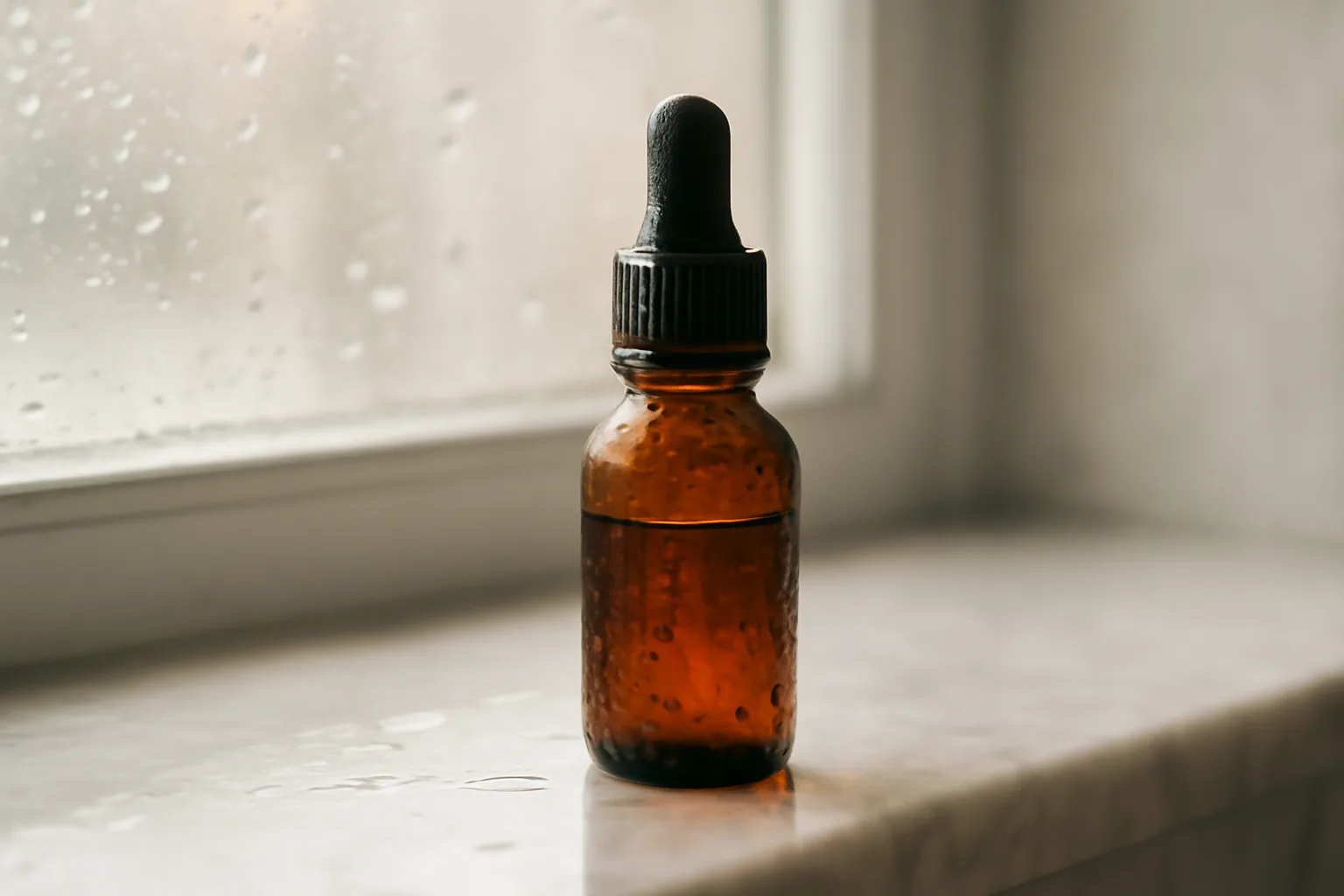
TL;DR
There is no single "best" topical GHK-Cu product because none are FDA-approved and none have been tested head-to-head in humans. What the lab data supports: liposome-encapsulated formulas measurably improve skin penetration over plain aqueous solutions, concentration and pH matter more than brand marketing, and injectable-grade GHK-Cu is a completely different product with different oversight than a cosmetic serum.
is there actually a "best" topical GHK-Cu product?
No, and anyone who tells you otherwise is guessing. GHK-Cu is not an FDA-approved drug ingredient for any skin condition, and there is no public head-to-head clinical trial comparing branded serums against each other. What exists instead is a real, fairly deep laboratory and formulation literature on the peptide itself: how it behaves in skin models, how well it penetrates different vehicles, and what it does to fibroblasts and collagen in cell and ex-vivo tissue studies. That's actually useful, just not in the way marketing implies. You can't rank products by a study that never tested products. You can use the mechanistic and delivery research to figure out what a well-made topical should look like, then judge specific products against that bar. That's the approach this article takes. One 2025 review of topical GHK put it plainly: the peptide has real anti-wrinkle activity signals in the literature, but the same review flags delivery and stability as open problems, not solved ones [1]. That's the honest starting point for any buying decision.
what does the topical GHK-Cu research actually show?
The strongest topical-relevant data comes from cell culture, ex-vivo skin, and animal wound models, not large human trials. A 2023 study combining GHK-Cu with hyaluronic acid found the combination increased collagen IV expression in both fibroblast cultures and ex-vivo skin tests, more than either ingredient alone [2]. Collagen IV sits in the basement membrane, the layer that anchors epidermis to dermis, so this is a plausible mechanism for skin firmness claims, though it's not the same as a clinical wrinkle-depth measurement in living volunteers. A 2018 review of GHK-Cu's gene-level effects catalogued its influence on genes tied to tissue repair, antioxidant response, and anti-inflammatory pathways [3]. That paper is a synthesis of existing molecular data, useful for understanding mechanism, not a new clinical result. On wound healing specifically, a 2017 mouse study found GHK-Cu delivered via liposomes accelerated scald wound closure by promoting cell proliferation and angiogenesis (new blood vessel formation) compared to controls [4]. That's an animal burn model, not a cosmetic aging study, but it's one of the more concrete efficacy signals in the whole GHK-Cu literature, and it's specifically tied to a liposomal delivery system, not a plain solution. A broader 2020 review on GHK's anti-aging potential lays out the peptide's proposed roles in collagen stimulation and antioxidant activity, while noting most supporting data comes from cell and animal work rather than large randomized human trials [5]. If you want the mechanism-level background before shopping, our what are copper peptides guide covers that ground in more depth.
why does delivery system matter more than concentration percentage?
A serum's copper peptide percentage on the label means very little if the molecule never gets past the stratum corneum. GHK-Cu is a small charged tripeptide-copper complex, and getting it to actually penetrate skin, rather than just sit on the surface, is a real formulation problem that researchers are still actively working on. A 2025 paper directly asked whether current methods can even measure GHK-Cu skin permeation from liposome-encapsulated formulas, and concluded that measurement itself is methodologically difficult, with results varying by technique [6]. That's a striking admission from people building these products: we don't have great standardized tools to confirm how much actually gets in. A related 2023 study on liposomes as carriers for GHK-Cu in cosmetic formulas found encapsulation changed the peptide's stability and release profile compared to free peptide in solution [7]. A 2024 paper using CE-ICP-MS/MS (a specialized mass spectrometry technique for tracking metals) monitored how well GHK-Cu stayed encapsulated in liposomes over time, treating encapsulation stability as something that needs direct measurement, not assumption [8]. Practical takeaway: a serum that says "liposomal" or "encapsulated" is at least engaging with a real, documented delivery problem. A serum that just lists "copper tripeptide-1" at some percentage with no delivery system described is asking you to trust that the raw peptide penetrates on its own, which the permeation literature suggests is not a safe assumption [6].
how do I compare topical GHK-Cu products without clinical trials to rely on?
You're grading homework without an answer key, so grade the process instead of the promise. Here's the checklist that actually maps to the research gaps above.
| What to check | Why it matters | Red flag |
|---|---|---|
| Delivery system named | Liposomal/encapsulated forms have documented stability and release data [7][8] | Only lists "copper tripeptide-1," no vehicle described |
| Concentration disclosed | Most published cell studies use defined micromolar concentrations, not vague percentages | "Proprietary blend," no percentage anywhere |
| pH and packaging | Copper peptides oxidize and degrade with light/air exposure | Clear jar, no opaque or airless pump |
| Third-party testing offered | Confirms actual peptide content matches label | No certificate of analysis available on request |
| Marketing claims vs. citations | Legitimate sellers cite real mechanism studies, not vague "clinically proven" | Claims reference GHK-Cu's general reputation with no source |
None of this guarantees a product works as advertised on your skin. It filters out the products least likely to have thought about the actual formulation chemistry.
is topical GHK-Cu the same thing as injectable GHK-Cu?
No, and conflating them is the single biggest mistake buyers make. Topical GHK-Cu in a serum has to cross intact skin, a real barrier that most of a formula never gets past. Injectable or provider-administered GHK-Cu bypasses that barrier entirely, delivering the peptide directly into tissue or systemically, which changes both the potential effect and the potential risk. The orthopedic and sports medicine literature makes this distinction sharply. A 2026 primer for orthopedic and sports medicine physicians on injectable peptide therapy treats GHK-Cu and related peptides as investigational tools for tissue and joint applications, explicitly separate from cosmetic topical use [9]. A 2026 review in the Journal of the American Academy of Orthopaedic Surgeons Global Research & Reviews covers therapeutic peptide applications in orthopedics, again in an injectable and provider-administered context, not a skincare one [10]. A 2026 safety and efficacy review of approved and unapproved peptide therapies for musculoskeletal injuries and athletic performance draws a hard line between peptides with regulatory approval pathways and those being used off-label or unapproved in sports medicine settings, a distinction that matters enormously for legal and safety reasons [11]. None of that research validates a cosmetic serum, and none of the cosmetic research validates an injectable protocol. If you're researching dosing specifically, see our GHK-Cu dosage breakdown, which keeps the two routes separate.
is any topical or injectable GHK-Cu product FDA-approved?
No GHK-Cu product, topical or injectable, has FDA approval as a drug for any skin, wound, or musculoskeletal indication. Cosmetic serums are regulated as cosmetics, not drugs, under a much lighter framework that does not require proof of efficacy before sale. For provider-administered preparations, the relevant legal framework is pharmacy compounding, not new drug approval. Section 503A of the Federal Food, Drug, and Cosmetic Act, codified at 21 U.S.C. 353a, governs compounding by licensed pharmacists for individual patients [12]. Bulk substances allowed in 503A compounding are tracked on FDA's Bulks List, under 21 CFR 216.23, and a separate list under 21 CFR 216.24 covers substances allowed for 503B outsourcing facilities, which compound at larger scale under different quality standards [13][14]. Whether GHK-Cu appears on these lists, and under what conditions, is something to verify directly through FDA's own bulk drug substances page rather than take a seller's word for it [15]. If a seller implies FDA approval, or uses language that reads like an approved drug claim (a specific disease treatment claim, not a cosmetic "appearance of" claim), that crosses into what FDA calls establishing "intended use" under 21 CFR 201.128, which is the regulatory trigger for drug claims [16]. You can check any ingredient's actual approval status yourself using Drugs@FDA, the FDA's own database of approved drug products [17].
is copper accumulation something I should worry about with regular topical use?
Copper is an essential mineral your body needs, but it is not harmless at every dose, and "topical" doesn't automatically mean "can't accumulate." The honest answer is that nobody has published good long-term human data specifically tracking systemic copper levels from years of daily cosmetic GHK-Cu serum use. That's a real gap, not a reason to panic, but it means claims of total safety at any frequency are not something the literature actually supports yet. What we do know: copper metabolism is tightly regulated by the body under normal conditions, and topical absorption of a small peptide-bound complex is generally going to deliver far less systemic copper than oral supplementation or injection would. The animal and cell studies cited throughout this piece [3][4][5] use controlled, defined doses in short-term protocols, which is different from an open-ended daily habit over years. If you have Wilson's disease, any known copper metabolism disorder, or are on medications that affect mineral handling, that's a conversation for your doctor before starting any copper peptide product, topical or otherwise, not a decision to make from a product label.
do I need a prescription for the strongest GHK-Cu formulas?
Cosmetic-strength topical serums sold online do not require a prescription because they're regulated as cosmetics. Provider-dispensed preparations, at higher concentrations or in different delivery forms, go through a licensed pharmacy under the compounding framework described above [12][13]. Those are genuinely different products, more than different price points. A compounding pharmacy operating under 503A rules prepares a formulation for an individual patient based on a practitioner's order, with pharmacy-level quality oversight that a cosmetic manufacturer is not required to have [12]. That's a meaningfully different oversight structure than a skincare brand mixing a serum in a cosmetics-grade facility. If you're looking for a provider-reviewed route rather than an over-the-counter serum, Copper Peptide Direct's role is to help you understand that distinction and connect with the pharmacy partners who actually fulfill provider-directed preparations, rather than selling or compounding anything itself.
what does copper's role in wound healing and skin biology actually look like in the data?
Beyond the aging-skin angle, GHK-Cu has a genuinely broader wound and tissue literature than most cosmetic peptides, which is part of why it gets so much attention. A 2025 study on an injectable hydroxyapatite microsphere filler loaded with GHK-Cu found anti-inflammatory and antioxidant effects in that specific filler system, an application aimed at tissue filling and regeneration rather than surface skincare [18]. A 2025 paper on copper complexes built from GHK-hyaluronan conjugates reported antioxidant properties plus synergistic osteogenic (bone-forming) and angiogenic effects in lab models [19]. A 2019 materials science study coated implant surfaces with GHK-Cu loaded into a chitosan and mesoporous silica system, designed to release copper in a pH-responsive way and showed measurable bioactivity in that coating context [20]. These are all real, specific findings, but they're studies of engineered biomaterials, coatings, and injectable fillers, worlds away from a jar of face serum. They tell you copper-peptide chemistry has broad tissue-repair relevance across many delivery contexts. They do not tell you that any particular topical face cream reproduces those effects on your skin at home.
what should I actually do if I want to try a topical GHK-Cu product?
Set expectations before you set a budget. Treat topical GHK-Cu as an ingredient with a genuinely interesting cell and animal-model story, not a proven clinical anti-aging treatment with human trial backing at the level of, say, prescription retinoids. Practical steps: look for a named delivery system (liposomal encapsulation has the most direct supporting literature here [6][7][8]), a disclosed concentration, opaque or airless packaging, and a seller willing to show sourcing or testing documentation. Patch test for two to three days before applying to your whole face, since copper peptides can cause irritation in some people even though serious reactions are uncommon in the published literature. If your interest is really in hair thinning or facial collagen specifically, the product category questions differ enough that it's worth reading dedicated comparisons: see best copper peptides for face and best copper peptide for hair growth for how the evidence splits by use case, plus the hair growth clinical trial breakdown if you want the actual trial data rather than product claims. For timing questions, best time of day to take GHK-Cu peptide covers the practical routine side.
Frequently asked questions
what is the best topical GHK-Cu product to buy?
There isn't a validated single best product because no human clinical trial has compared branded topical GHK-Cu formulas head-to-head. The best approach is to judge products against what the delivery-system literature supports: liposomal encapsulation, disclosed concentration, and stable opaque packaging, then treat any specific efficacy claim as unproven marketing until better human data exists.
does topical GHK-Cu actually penetrate the skin?
Partially, and it's genuinely hard to measure. A 2025 study concluded that current analytical methods struggle to reliably quantify GHK-Cu permeation from liposome-encapsulated formulas, meaning even researchers can't fully confirm how much peptide crosses skin in a given product [6].
is liposomal GHK-Cu better than regular GHK-Cu serum?
The literature suggests liposomal encapsulation changes stability and release compared to free peptide in solution [7], and a 2017 mouse study used liposomal GHK-Cu to accelerate wound healing [4]. That supports liposomal delivery as the more researched option, though no study directly compares liposomal versus non-liposomal cosmetic serums on human skin outcomes.
what concentration of GHK-Cu should a topical serum have?
There's no established clinical concentration standard for cosmetic use because no human dose-response trial exists for topical GHK-Cu serums. Published cell and tissue studies use defined micromolar concentrations in lab settings, not percentages translatable to a skincare label, so treat any specific percentage claim as a formulation choice, not a proven effective dose.
is GHK-Cu FDA-approved for skin or wound healing?
No. GHK-Cu has no FDA drug approval for any skin, wrinkle, or wound-healing indication. Cosmetic serums containing it are regulated as cosmetics, a lighter framework that doesn't require pre-market proof of efficacy. You can verify any ingredient's approval status directly through Drugs@FDA [17].
can copper peptides be dangerous or cause copper toxicity?
Copper is essential but not harmless at every dose, and no long-term human study has tracked systemic copper accumulation from years of daily topical GHK-Cu use. People with Wilson's disease or other copper metabolism disorders should talk to a doctor first. For most people, topical absorption is expected to be far lower than oral or injected copper, but that's an inference, not a directly studied outcome.
is injectable GHK-Cu the same as topical GHK-Cu for skin?
No. Injectable or provider-administered GHK-Cu bypasses the skin barrier entirely and is discussed in orthopedic and sports medicine literature as an investigational tool for tissue and joint applications [9][10][11], a completely different context, oversight structure, and risk profile than a cosmetic topical serum.
do I need a prescription for GHK-Cu?
Cosmetic topical serums don't require one. Higher-concentration or specialized preparations dispensed through a licensed pharmacy fall under compounding rules in 21 U.S.C. 353a (Section 503A), which requires a practitioner's order and pharmacy oversight, a genuinely different regulatory path than an over-the-counter serum [12].
how do I know if a GHK-Cu serum is well-formulated?
Check for a named delivery system (liposomal encapsulation has the most direct supporting research), a disclosed concentration rather than a vague blend, opaque or airless packaging to limit oxidation, and a seller offering third-party testing documentation. Absence of all four is a real red flag, not proof the product fails.
does GHK-Cu really help with collagen production?
Lab evidence supports this at the mechanism level: a 2023 study found GHK-Cu combined with hyaluronic acid increased collagen IV expression in fibroblast cultures and ex-vivo skin tests [2]. That's cell and tissue-model evidence, not a clinical trial measuring collagen density in living human skin over months of serum use.
what's the difference between GHK-Cu for wrinkles versus wound healing?
Both draw on overlapping mechanisms (antioxidant activity, tissue remodeling signals), but the actual studies differ by model. Wrinkle-related claims lean on cell culture and ex-vivo skin data [2][3], while wound-healing evidence includes a 2017 animal burn model showing liposomal GHK-Cu accelerated scald wound closure [4]. Neither transfers automatically to the other use case.
why do some GHK-Cu products cost so much more than others?
Price differences often reflect delivery system complexity (liposomal encapsulation costs more to manufacture and test than a simple aqueous solution [7][8]), ingredient sourcing, and packaging designed to limit oxidation. Higher price alone doesn't prove better penetration or effect; ask what specific formulation choices justify the cost.
can I combine topical GHK-Cu with other actives like retinoids or vitamin C?
There's no published human trial testing GHK-Cu combined with retinoids specifically for interaction effects. Vitamin C and some antioxidants can interact with copper ions chemically, so many formulators separate application times. If layering products, patch test and consider applying at different times of day rather than assuming compatibility.
Sources
- BioImpacts, 2025: Review of topical GHK notes anti-wrinkle activity signals alongside unresolved delivery and stability problems
- Journal of Cosmetic Dermatology, 2023: GHK-Cu combined with hyaluronic acid increased collagen IV expression in fibroblast cultures and ex-vivo skin tests more than either alone
- International Journal of Molecular Sciences, 2018: Review of GHK-Cu gene-level effects catalogs influence on genes tied to tissue repair, antioxidant response, and anti-inflammatory pathways
- Wound Repair and Regeneration, 2017: Liposomal GHK-Cu accelerated scald wound closure in mice via increased cell proliferation and angiogenesis
- Aging Pathobiology and Therapeutics, 2020: Review of GHK's anti-aging potential describes proposed collagen stimulation and antioxidant roles, based mainly on cell and animal data
- Molecules, 2025: Study concludes current analytical methods struggle to reliably measure GHK-Cu skin permeation from liposome-encapsulated formulas
- Pharmaceutics, 2023: Liposomal encapsulation changes GHK-Cu stability and release profile compared to free peptide in solution
- Electrophoresis, 2024: CE-ICP-MS/MS method used to directly monitor GHK-Cu encapsulation stability in liposomes over time
- The American Journal of Sports Medicine, 2026: Primer for orthopedic and sports medicine physicians treats injectable GHK-Cu-related peptides as investigational, separate from cosmetic topical use
- JAAOS Global Research & Reviews, 2026: Review covers therapeutic peptide applications in orthopedics in an injectable/provider-administered context
- Sports Medicine (Auckland), 2026: Review distinguishes approved from unapproved peptide therapies used in musculoskeletal and athletic performance contexts
- 21 U.S.C. 353a, pharmacy compounding: Section 503A governs compounding by licensed pharmacists for individual patients based on a practitioner's order
- 21 CFR 216.23, the final 503A Bulks List: Defines which bulk drug substances are permitted for use in 503A pharmacy compounding
- 21 CFR 216.24, the 503B Bulks List: Defines which bulk drug substances are permitted for use by 503B outsourcing facilities, a distinct compounding tier
- FDA, bulk drug substances used in compounding under section 503A: FDA maintains the authoritative current listing of bulk substances allowed in 503A compounding, which buyers should verify directly
- 21 CFR 201.128, meaning of intended uses: Defines the regulatory concept of intended use that triggers drug-claim status for products making disease-treatment claims
- Drugs@FDA, FDA-approved drug products database: Public database where consumers can verify whether any drug ingredient, including GHK-Cu, holds FDA approval
- Colloids and Surfaces B: Biointerfaces, 2025: Injectable hydroxyapatite microsphere filler loaded with GHK-Cu showed anti-inflammatory and antioxidant effects in that filler system
- Bioconjugate Chemistry, 2025: Copper complexes with GHK-hyaluronan conjugates showed antioxidant properties and synergistic osteogenic and angiogenic effects in lab models
- Materials Science & Engineering C, 2019: GHK-Cu loaded MSN-chitosan coatings on implant surfaces showed pH-responsive copper release and measurable bioactivity