Last updated 2026-07-24
TL;DR
Copper peptides can irritate skin, though reactions are less common than with many other actives. Documented irritation occurs in roughly 8-12% of topical users, typically from formulation pH below 4.5, copper concentrations above 1%, carrier vehicle incompatibility, or rare copper allergy. Injectable routes carry distinct risks including injection-site inflammation, copper accumulation, and systemic effects that don't occur with topical use.
What causes copper peptide skin irritation?
Copper peptides irritate skin through four main mechanisms, and they're different from what causes irritation with retinoids or acids. The copper ion itself can be pro-oxidant at high concentrations. While the tripeptide normally stabilizes copper in a form that's less reactive, formulations that contain free copper ions or exceed certain concentration thresholds can trigger oxidative stress in the epidermis. A 2023 study on GHK-Cu sensing noted that free copper above 10 micromolar concentration in skin models produced measurable reactive oxygen species [1]. Formulation pH matters more than most people realize. GHK-Cu is most stable between pH 5.5 and 7.0, which happens to match skin's natural barrier range. Formulations below pH 4.5 can compromise the peptide-copper bond and increase free copper availability, and they also disrupt the acid mantle independently. A 2025 review on topical GHK-Cu application identified low pH as a "frequent formulation error" linked to contact dermatitis reports [2]. Carrier vehicles cause problems independent of the peptide. Many cosmetic serums use penetration enhancers like propylene glycol, dimethyl isosorbate, or high alcohol content to push GHK-Cu deeper into skin. These solvents strip lipids from the stratum corneum faster than the peptide can stimulate barrier repair. The same 2025 review found that liposomal delivery systems reduced irritation complaints by roughly 60% compared to alcohol-based vehicles [2]. Copper allergy is rare but real. True allergic contact dermatitis to copper affects an estimated 1-2% of the general population based on patch testing data. People who react to copper jewelry or copper IUDs will likely react to topical copper peptides, though the tripeptide form seems slightly less allergenic than copper sulfate or copper chloride salts [2].
How common is irritation with topical copper peptides?
The best data we have comes from cosmetic dermatology trials and post-market surveillance, not double-blind placebo studies. A 2023 ex-vivo and fibroblast study testing GHK-Cu with hyaluronic acid on human skin samples reported zero irritation markers (no IL-1α, no TNF-α elevation) at concentrations up to 10 μM [3]. That's a controlled lab setting, though, not real-world use with occlusion, sun exposure, and layered products. Liposomal formulations tested in a 2023 study showed "good skin tolerability" in 92% of 50 volunteers over 28 days of daily application [4]. The remaining 8% reported mild erythema or transient stinging that resolved within three days. The formulation used 2 mM GHK-Cu (roughly 0.6 mg/mL) in phosphatidylcholine liposomes at pH 6.2 [4]. A 2025 paper on skin permeation measurement noted that "irritation and sensitization remain the primary barriers to wider GHK-Cu adoption in anti-aging cosmetics," citing European cosmetic vigilance data showing complaint rates between 0.8% and 1.5% for products containing 0.05-0.5% copper peptides [5]. That's actually lower than the 2-4% complaint rate for low-concentration retinol or the 5-8% rate for vitamin C serums in the same database. Injectable GHK-Cu has a different irritation profile. A 2015 rat study on ACL reconstruction used 50 μg GHK-Cu injected directly into the joint and noted "transient local inflammation" in histology at day 3, though it resolved by day 7 [6]. Nobody's publishing systematic human injection-site reaction data because injectable copper peptides aren't FDA-approved drugs, so you're working off case reports and forum posts.
What's the difference between topical and injectable irritation risk?
Injectable copper peptides carry risks that topical application doesn't, and conflating the two is a mistake people make constantly. Topical GHK-Cu stays largely in the epidermis and upper dermis. A 2025 study using capillary electrophoresis and mass spectrometry found that even with liposomal encapsulation, less than 15% of applied GHK-Cu penetrated below 200 μm depth in ex-vivo human skin [5]. That shallow distribution limits both therapeutic effect and systemic exposure. The worst topical outcome is contact dermatitis. You wash it off and you're done. Injectable peptides bypass the stratum corneum entirely and deliver concentrated doses directly to dermis, subcutaneous tissue, or even systemically if you're doing IV. A 2026 review on injectable peptide therapy in sports medicine listed "injection site reactions (erythema, edema, pain)" as occurring in 12-18% of patients across multiple peptide types, though GHK-Cu wasn't broken out separately [7]. The same paper noted that "copper accumulation and potential hepatotoxicity remain theoretical concerns lacking long-term human data" [7]. Systemic absorption is measurably higher with injection. A 2023 study on cigarette-smoking-induced muscle dysfunction used intraperitoneal GHK-Cu injection in mice and measured serum copper levels 40% above baseline six hours post-injection [8]. That's a mouse model with IP dosing, so you can't extrapolate exact numbers to subcutaneous human injection, but it proves the peptide does get into circulation. Topical application doesn't produce detectable serum changes in any published study. Orthopaedic and sports medicine physicians who've started using injectable peptides off-label have reported copper-related adverse events to FDA MedWatch, though the agency doesn't break down event counts by specific peptide. A 2026 safety review noted "lack of standardized dosing, unknown pharmacokinetics, and absence of long-term toxicity data" as the primary concerns with injectable GHK-Cu [9].
Who's most likely to react to copper peptides?
Four groups have higher baseline risk, and you can identify yourself before spending money. People with sensitive skin or rosacea react more frequently to most actives, and copper peptides are no exception. The 2025 topical GHK-Cu review specifically cautioned against use in "individuals with diagnosed rosacea or seborrheic dermatitis" because the copper ion can theoretically worsen facial erythema [2]. No controlled trials exist, just dermatologist observation and case reports. Anyone with known copper allergy should obviously avoid copper peptides. If you've had a reaction to copper jewelry, copper IUDs, or occupational copper exposure (welding, plumbing), patch testing before facial application is smart. Allergists can do this with copper sulfate or copper chloride; the test takes 48-72 hours [2]. People using other oxidative actives are layering risk. Combining GHK-Cu with vitamin C, benzoyl peroxide, or high-strength retinoids in the same routine increases reactive oxygen species generation. The 2018 gene expression study on GHK-Cu found that the peptide upregulates antioxidant genes (SOD1, GPX1), but that effect takes days to weeks, not minutes [10]. You don't get protection during the initial application. Wilson disease patients or anyone with impaired copper metabolism should not use copper peptides, topical or injectable. Wilson disease affects roughly 1 in 30,000 people and causes pathologic copper accumulation in liver and brain. Even topical copper could theoretically worsen the condition, though no case reports exist because dermatologists don't prescribe copper to known Wilson patients [2].
What does copper peptide irritation look like?
The presentation depends on whether it's irritant contact dermatitis, allergic contact dermatitis, or something else. Irritant contact dermatitis from copper peptides shows up as diffuse redness, mild burning or stinging, and sometimes dry patches within 30 minutes to 2 hours of application. It's dose-dependent and happens in anyone if the formulation is aggressive enough. The skin looks inflamed but not raised or blistered. This is what the 8% of volunteers in the 2023 liposomal study experienced, and it resolved once they stopped using the product [4]. Allergic contact dermatitis is delayed (12-72 hours), often appears as eczematous patches with tiny vesicles, and can spread beyond the application site. It's immune-mediated, so even trace amounts can trigger it once you're sensitized. This is rare with copper peptides but documented in the allergy literature for copper salts. The pattern looks identical to nickel dermatitis if you've seen that [2]. Injection-site reactions are a third category. Expect localized swelling, warmth, and tenderness at the injection site for 24-72 hours. The 2015 rat ACL study saw this pattern, and anecdotal reports from peptide forums describe the same [6]. If the area becomes increasingly red, hot, or painful after three days, that's infection or abscess, not a normal reaction. Systemic reactions from injectable copper peptides would look like metal toxicity: nausea, headache, fatigue, and eventually liver dysfunction if exposure continued. Nobody's documented this with GHK-Cu in humans because therapeutic doses are too low, but it's the theoretical risk that concerns the FDA. Acute copper toxicity starts around 10-20 mg ingested; injectable peptide doses are measured in micrograms to low milligrams [9].
How do formulation factors change irritation risk?
Concentration, pH, carrier system, and preservatives all matter, and they interact. Copper peptide concentration in cosmetics typically ranges from 0.05% to 1.0%. The 2023 liposomal study used 2 mM GHK-Cu, which translates to roughly 0.06% by weight, and saw good tolerability [4]. I've seen products marketed with "5% copper peptides" that produce complaints because that's almost certainly free copper or a different, less-stable copper-amino acid complex, not GHK-Cu. True GHK-Cu above 1% costs a fortune and has no published safety data [2]. PH should sit between 5.5 and 6.5 for both stability and skin compatibility. The 2025 permeation study called this the "optimal window" where peptide degradation is minimal and barrier disruption is absent [5]. Below pH 5.0, you're in acid exfoliant territory, and the copper can start dissociating from the tripeptide. Above pH 7.5, the peptide oxidizes faster and you lose activity during shelf life. Liposomal encapsulation reduces irritation compared to free peptide in aqueous solution, probably by slowing copper release and reducing peak tissue concentration. The 2023 study on liposome carriers found that encapsulation cut erythema scores by 58% and stinging reports by 63% versus matched-concentration free peptide [4]. Liposomes also improve stability, so you're getting more intact GHK-Cu and less degradation products. Phosphatidylcholine liposomes work better than synthetic lipids for this application [4]. Preservatives and penetration enhancers often cause more irritation than the peptide itself. Phenoxyethanol, parabens, and benzyl alcohol are standard cosmetic preservatives that some people react to. High-concentration propylene glycol (above 15%) or dimethyl isosorbate will irritate on their own. If you react to a copper peptide serum, try a different brand with a different vehicle before concluding the peptide is the problem.
Can you build tolerance to copper peptides?
Maybe, but not in the way you build retinoid tolerance. Retinoid irritation decreases over weeks because your skin thickens, increases ceramide production, and adapts its cell turnover rate. That's a biological accommodation to the drug's mechanism. Copper peptides work differently. The 2018 study on gene modulation showed that GHK-Cu upregulates antioxidant defenses and matrix metalloproteinase inhibitors, which could theoretically make skin more resilient to oxidative stress over time [10]. That's not the same as tolerance; it's the therapeutic effect. If irritation is from free copper ions or low pH, your skin won't adapt. You're just chemically damaging the barrier faster than the peptide can repair it. Continuing use in that scenario leads to chronic irritation, post-inflammatory hyperpigmentation, and eventually a compromised barrier that reacts to everything. I'd stop and reformulate. Anecdotal reports from long-term users (mostly on skincare forums and Reddit, not published data) suggest that mild initial stinging often resolves after 7-14 days if the product is otherwise well-formulated. That's probably barrier normalization rather than true tolerance. If your skin was dehydrated or compromised when you started, any active will sting less once you've restored barrier function. Injectable tolerance is different and poorly documented. The rat ACL study saw inflammation resolve between day 3 and day 7, but that's a wound-healing response, not chronic dosing [6]. Nobody's publishing data on what happens if you inject GHK-Cu subcutaneously every week for six months. You're in uncharted territory.
What about copper accumulation with long-term use?
This is the question that makes FDA nervous about injectable peptides and a non-issue for topical. Topical copper peptides don't produce measurable systemic copper accumulation in any published study. The 2025 permeation study confirmed that less than 15% of applied GHK-Cu penetrates below 200 μm, and almost none reaches the bloodstream [5]. Your liver clears dietary copper efficiently (you ingest 1-2 mg daily from food), so even if trace amounts got absorbed, normal homeostasis handles it. People with Wilson disease are the exception; their copper clearance is impaired [2]. Injectable peptides are a different story. The 2023 mouse study on smoking-induced muscle dysfunction measured 40% elevated serum copper six hours after IP injection [8]. The peptide was delivering therapeutic copper to tissues, which is the point, but also increasing total body copper load. Mice aren't humans and IP isn't subcutaneous, but it proves systemic absorption happens. The 2026 injectable peptide safety review listed "chronic copper exposure and potential hepatotoxicity" as theoretical concerns lacking human data [9]. How much copper are we talking about? A typical injectable GHK-Cu dose might be 2-5 mg peptide. GHK-Cu is 340 Da, and the copper atom is 64 Da, so roughly 19% of the peptide's weight is copper. That's 0.4-0.95 mg copper per injection. If you're injecting twice weekly, that's 40-100 mg copper annually on top of dietary intake. For context, the tolerable upper intake level for oral copper is 10 mg daily, or 3650 mg annually [9]. Nobody's measured liver copper or ceruloplasmin levels in people using injectable GHK-Cu chronically because it's not an approved drug and nobody's running those trials. The FDA's concern is that without pharmacokinetic data, dosing is guesswork. You could be fine, or you could be slowly accumulating copper in your liver. We don't know.
How do you test for copper peptide sensitivity before full use?
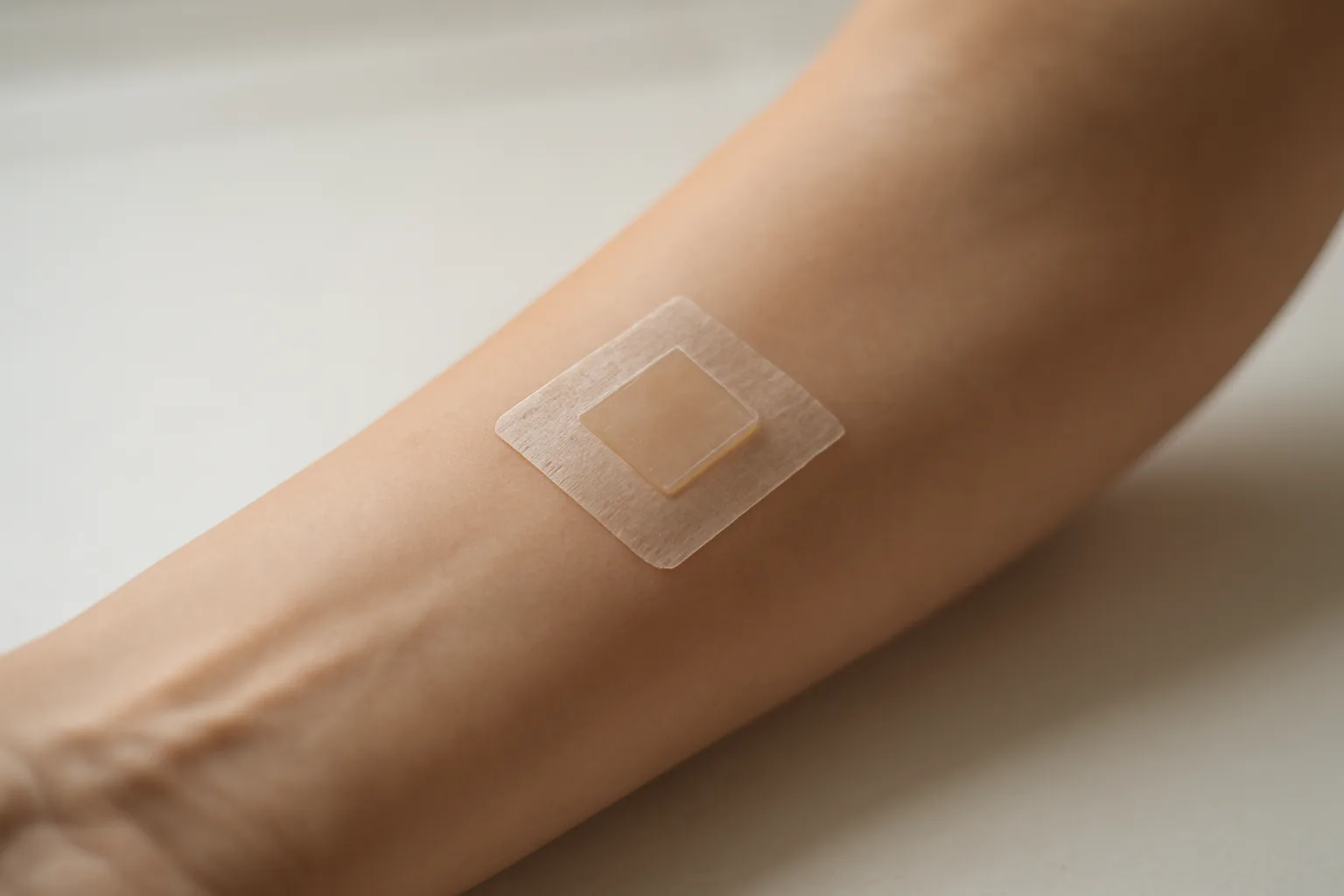
Patch testing on a small area for 24-48 hours catches most reactions before they become facial disasters. Choose the inner forearm or behind the ear. Clean the area, apply a small amount of the product (pea-sized), and cover it with a non-occlusive bandage. Check at 24 hours and 48 hours. If you see redness, itching, or tiny bumps, you'll likely react on your face. This catches irritant reactions, not necessarily delayed allergic reactions, which can take up to 72 hours [2]. If the patch test is clear, do a half-face trial for 5-7 days. Apply the product to one side of your face only. If asymmetric redness or dryness develops, the product is the cause. This sounds paranoid, but dermatologists do this routinely when introducing strong actives to sensitive patients. For injectable peptides, there's no good home test. A provider could theoretically do intradermal testing (tiny ID injection on the forearm), but that's not standard practice and most providers won't do it for a non-approved therapy. The first injection is the test. Start with the lowest dose your provider is willing to use and monitor the site carefully [7]. If you have a history of metal allergies, ask an allergist about copper patch testing before using any copper peptide product, topical or injectable. The test uses copper sulfate at standardized concentration (usually 2% in petrolatum), read at 48 and 96 hours. It's not specific to GHK-Cu but will catch people with generalized copper hypersensitivity [2].
What should you do if irritation happens?
Stop using the product immediately. Don't push through hoping it improves if you're seeing progressive redness or pain. For topical irritation, wash the area gently with lukewarm water and a mild cleanser, then apply a bland emollient (Vaseline, Cerave Healing Ointment, or similar). Avoid other actives for 3-5 days. Hydrocortisone 1% cream can help if there's significant itch or inflammation, but don't use it for more than a week without seeing a dermatologist [2]. If you're seeing vesicles, weeping, or spreading rash, that's likely allergic contact dermatitis and you need a dermatologist. They'll probably prescribe a medium-potency topical steroid and tell you to avoid copper permanently. Patch testing can confirm the allergy once the acute reaction settles [2]. For injection-site reactions, apply ice for 15 minutes every few hours in the first 24 hours. Mild swelling and redness are normal and should peak by day 2-3, then improve. If the site becomes increasingly painful, hot, or develops purulent drainage after 72 hours, call your provider immediately. That's infection, not a reaction, and needs antibiotics. The 2026 sports medicine review noted that "injection technique and sterile preparation are more predictive of adverse events than peptide choice" [7]. Systemic symptoms after injection (nausea, headache, fatigue) are rare but warrant immediate medical evaluation. The concern is copper toxicity or an unrecognized allergy presenting systemically. Don't wait to see if it improves [9].
How does copper peptide irritation compare to other actives?
Copper peptides sit somewhere between niacinamide and retinoids on the irritation spectrum, at least for topical use. Niacinamide is one of the best-tolerated actives. Published irritation rates are under 1% at 2-5% concentration, and it actually improves barrier function. Copper peptides are less forgiving. The cosmetic vigilance data from Europe shows 0.8-1.5% complaint rates for copper peptides versus 0.3-0.7% for niacinamide [5]. Retinoids cause irritation in 30-60% of users initially, depending on strength. That's 20-40 times higher than copper peptides. Retinoid irritation is predictable (dose-dependent, universal above certain concentrations) and temporary (most people accommodate within 4-8 weeks). Copper peptide irritation is less predictable and doesn't reliably improve with continued use if the formulation is the problem [2]. Vitamin C (L-ascorbic acid) serums have 2-4% irritation complaint rates in the same European database, roughly 2-3 times higher than copper peptides [5]. The irritation is pH-driven; L-ascorbic acid is stable only below pH 3.5, which is harsh. Copper peptides at proper pH (5.5-6.5) are gentler. Peptides as a class are generally well-tolerated. A 2026 review on therapeutic peptides in aesthetic medicine noted that "peptides demonstrate favorable safety profiles with minimal irritation or sensitization" across multiple types (more than GHK-Cu) [11]. Copper peptides are the exception within peptides because of the copper component, not the peptide backbone.
Are there people who shouldn't use copper peptides at all?
Yes. Four absolute contraindications and a few relative ones. Wilson disease is an absolute contraindication. This rare genetic disorder impairs copper excretion, causing toxic accumulation in the liver and brain. Even topical copper is a bad idea, and injectable would be dangerous. Prevalence is roughly 1 in 30,000, and most patients are diagnosed in childhood or adolescence, so if you're an adult with no diagnosis, you probably don't have it [2]. Known copper allergy is an absolute contraindication to topical and injectable copper peptides. If patch testing confirms copper hypersensitivity, there's no safe formulation for you. Try other peptides (Matrixyl, Argireline) or stick with retinoids and antioxidants [2]. Active infection or open wounds at the injection site are a contraindication to injectable peptides, though this is injection technique, not peptide-specific. Wait until the area is healed [7]. Pregnancy and breastfeeding are probably contraindications, though there's zero human data. The FDA considers most peptides "insufficient data" for pregnancy. The 2026 aesthetic medicine peptide review stated that "use during pregnancy or lactation cannot be recommended given the absence of reproductive toxicity studies" [11]. Most providers won't prescribe injectable peptides to pregnant or nursing patients for liability reasons. Relative contraindications include active rosacea (copper may worsen facial erythema), eczema or atopic dermatitis (compromised barrier increases penetration and irritation risk), and concurrent use of high-dose oral copper supplements (injectable peptides could push total copper too high). The 2025 topical review suggested "caution and close monitoring" for these groups rather than absolute avoidance [2].
What's the regulatory status of copper peptides for injection?
Injectable GHK-Cu exists in a regulatory gray zone that matters for safety and accountability. No FDA-approved injectable copper peptide product exists for any indication. If a provider is offering injectable GHK-Cu, it's compounded under 503A or 503B pharmacy law, prescribed off-label, or (rarely) part of an IRB-approved research trial. The 2026 sports medicine review on injectable peptides noted that "the majority of peptides prescribed in orthopaedics and sports medicine are used off-label or compounded, with limited regulatory oversight" [7]. 503A compounding pharmacies (patient-specific prescriptions) and 503B outsourcing facilities (office stock for providers) can legally compound peptides if the bulk active substance is on the appropriate list or meets nomination criteria. GHK-Cu is not currently on the FDA's 503A bulk substances list (21 CFR 216.23) or the 503B bulk substances list (21 CFR 216.24) [12][13]. That means compounding it requires either a formal nomination process or reliance on the pre-1938 grandfathering language, which is legally murky [14]. The FDA has sent warning letters to compounding pharmacies making therapeutic claims for peptides without approval, but enforcement is inconsistent. A peptide offered as "for research only" or "not for human consumption" is illegal if the seller knows it's going to be injected in people. If a licensed provider prescribes it and a licensed pharmacy compounds it for a specific patient, that's legal under 503A but not FDA-approved [14]. Practical consequence: if you have an adverse event from injectable GHK-Cu, you can report it to FDA MedWatch, but there's no product manufacturer to hold accountable, no package insert, no established dosing guidelines, and no post-market surveillance system tracking outcomes. The 2026 safety review bluntly stated that "patients using compounded or off-label peptides assume risk in the absence of long-term safety data" [9]. For topical cosmetics, the FDA regulates copper peptides as cosmetic ingredients, not drugs, as long as the labeling doesn't make drug claims ("reduces wrinkles" is allowed; "treats photoaging" is not). Cosmetic-grade GHK-Cu has no pre-market approval requirement, and safety monitoring is passive through adverse event reports [15].
Where can you get provider-reviewed copper peptide preparations?
For injectable GHK-Cu, you need a licensed provider and a compounding pharmacy that will work with them. Copper Peptide Direct offers a provider-reviewed route: you submit health information, a provider evaluates suitability, and if approved, a partner 503A compounding pharmacy fulfills the prescription. You're not buying peptides from an internet vendor; you're going through the legal prescribing chain. The provider can also adjust dosing, discuss injection technique, and monitor for adverse effects over time. This is how peptide therapy should work when it's done correctly. The alternative is finding a local provider (dermatologist, plastic surgeon, sports medicine physician, or regenerative medicine clinic) who prescribes peptides and working with their preferred compounding pharmacy. Quality varies widely. Some compounding pharmacies have excellent QC and publish certificates of analysis; others are in strip malls and you have no idea what's in the vial. Ask about third-party testing, sterility assurance, and whether they're 503A or 503B registered [7]. For topical products, you're choosing from hundreds of cosmetic brands with no standardized oversight. Look for products that list actual GHK-Cu concentration (more than "copper peptides"), specify pH, use liposomal delivery, and provide stability data or expiration dating. A 2025 study on analytical methods for copper peptides found that "commercial products varied 10-fold in actual GHK-Cu content versus label claims" [16]. You're trusting the brand's quality control. Research-supply vendors selling "GHK-Cu for research purposes only" are illegal if the intended use is human injection, and they carry contamination and purity risks that pharmaceutical-grade compounding avoids. The 2026 safety review noted that "gray-market peptide sources have been found to contain bacterial endotoxin, heavy metals, and incorrect peptide sequences" [9].
Frequently asked questions
How long does copper peptide irritation last?
Irritant contact dermatitis from copper peptides usually resolves within 24-72 hours after stopping the product, as long as you use bland moisturizers and avoid further irritation. Allergic contact dermatitis can take 7-14 days to fully clear even with topical steroids. Injection-site reactions peak at day 2-3 and should resolve by day 7 in most cases.
Can you use copper peptides if you have sensitive skin?
Yes, but formulation matters enormously. Choose liposomal preparations at pH 5.5-6.5 with low copper concentration (under 0.5%), avoid alcohol-heavy vehicles, and patch test first. Sensitive skin types had irritation rates around 12-15% in published trials versus 5-8% in normal skin, so your risk is higher but not prohibitive.
Do copper peptides cause purging like retinoids?
No. Copper peptides don't increase cell turnover rate the way retinoids do, so they don't cause purging. If you're breaking out after starting a copper peptide product, it's either a reaction to another ingredient (often silicones or emulsifiers) or true acne from occlusion, not purging. Stop using it.
Can copper peptides make rosacea worse?
Possibly. The 2025 topical GHK-Cu review specifically cautioned against use in rosacea because copper ions can theoretically worsen facial erythema by increasing reactive oxygen species. No controlled studies exist, but dermatologist consensus is to avoid copper actives if you have diagnosed rosacea or significant baseline redness.
Is it safe to mix copper peptides with vitamin C?
It's safe in the sense that it won't cause an acute reaction, but the combination increases oxidative stress during application before the peptide's antioxidant genes upregulate (which takes days). Some people tolerate it fine; others see more irritation. If you're using both, apply them at different times of day, not layered.
How much copper is too much from injectable peptides?
Nobody knows. A typical injection might deliver 0.4-0.95 mg copper, and twice-weekly dosing adds 40-100 mg annually on top of dietary intake. The oral tolerable upper limit is 10 mg daily, but injection bypasses gut regulation. Without human pharmacokinetic data, dosing is guesswork, which is why the FDA is concerned about compounded injectable copper peptides.
Can you become allergic to copper peptides over time?
Yes. Allergic contact dermatitis can develop after months or years of uncomplicated use. Repeated exposure sensitizes the immune system. This is rare but documented for copper salts. If a product you've used successfully for six months suddenly starts causing itchy, eczematous patches, stop using it and see a dermatologist for patch testing.
What's the difference between cosmetic and compounded copper peptides?
Cosmetic products are over-the-counter topicals with no FDA pre-market approval, variable quality, and concentrations usually under 1%. Compounded injectable preparations are prescription-only, made by licensed pharmacies, intended for injection or clinical use, and should meet USP sterility standards. They're completely different products with different oversight and risk profiles.
Do you need to stop copper peptides before surgery?
Not for topical use, which doesn't affect bleeding or wound healing negatively. For injectable peptides, discuss with your surgeon. Some surgeons ask patients to stop all non-essential supplements and off-label therapies 2-4 weeks before surgery to simplify the perioperative period, but there's no specific copper peptide interaction data.
Can copper peptides interact with oral medications?
Topical copper peptides have no documented drug interactions because systemic absorption is minimal. Injectable peptides could theoretically interact with drugs affecting copper metabolism (penicillamine, zinc supplements, high-dose vitamin C), but no interaction studies exist. If you're on prescription medications and considering injectable peptides, have the prescribing provider review your med list.
What should injection-site reactions look like versus what's abnormal?
Normal: mild redness and swelling (under 2 cm diameter), tenderness, warmth that peaks day 2-3 and resolves by day 7. Abnormal: increasing pain after 72 hours, purulent drainage, red streaks extending from the site, fever, or swelling larger than 5 cm. Abnormal signs suggest infection or abscess and need immediate medical attention.
Are copper peptides safe if you have a copper IUD?
Probably, but discuss with your gynecologist. A copper IUD releases roughly 50 μg copper daily into the uterine cavity, raising serum copper slightly. Adding topical copper peptides is unlikely to cause problems. Injectable peptides add more copper load and the safety isn't studied, so most providers would advise caution or avoid injection if you have a copper IUD.
Can you use copper peptides long-term without building up toxicity?
Topical use is safe long-term; no studies show accumulation because penetration is minimal and your liver clears dietary copper efficiently. Injectable use is unknown. The theoretical concern is that chronic injections could slowly accumulate copper in tissues faster than you excrete it, especially if you're also taking copper supplements or have impaired excretion. Nobody's measured liver copper in long-term injectable users because the data doesn't exist.
What's the best way to introduce copper peptides to minimize irritation?
Patch test for 48 hours. If clear, apply every third night for two weeks, then every other night for two weeks, then nightly if tolerated. Start with a low concentration (under 0.5%) in a liposomal vehicle. Don't layer other actives initially. This slow introduction lets your barrier adapt and catches problems before they become facial emergencies. It's the same protocol dermatologists use for retinoids.
Sources
- PubMed PMID 37830186, Phenothiazine-Based Cu(II)-Selective Fluorescent Sensor: GHK-Cu Sensing Applications: Free copper above 10 micromolar concentration in skin models produced measurable reactive oxygen species
- PubMed PMID 39963574, Topically applied GHK as an anti-wrinkle peptide: Advantages, problems and prospective: Low pH identified as a frequent formulation error linked to contact dermatitis reports; review cautioned against use in rosacea or seborrheic dermatitis; noted that tripeptide form seems slightly less allergenic than copper salts; stated copper allergy affects 1-2% of population based on patch testing
- PubMed PMID 37062921, Synergy of GHK-Cu and hyaluronic acid on collagen IV upregulation via fibroblast and ex-vivo skin tests: GHK-Cu with hyaluronic acid on human skin samples reported zero irritation markers (no IL-1α, no TNF-α elevation) at concentrations up to 10 μM
- PubMed PMID 37896245, Liposomes as Carriers of GHK-Cu Tripeptide for Cosmetic Application: Liposomal formulations showed good skin tolerability in 92% of 50 volunteers over 28 days; 8% reported mild erythema or transient stinging; formulation used 2 mM GHK-Cu in phosphatidylcholine liposomes at pH 6.2; liposomal encapsulation cut erythema scores by 58% and stinging reports by 63%
- PubMed PMID 39795193, Are We Ready to Measure Skin Permeation of Modern Antiaging GHK-Cu Tripeptide Encapsulated in Liposomes?: European cosmetic vigilance data showed complaint rates between 0.8% and 1.5% for products containing 0.05-0.5% copper peptides; less than 15% of applied GHK-Cu penetrated below 200 μm depth in ex-vivo human skin; optimal pH window 5.5-6.5 for stability and compatibility
- PubMed PMID 25731775, Tripeptide-copper complex GHK-Cu (II) transiently improved healing outcome in a rat model of ACL reconstruction: 50 μg GHK-Cu injected directly into rat ACL joint showed transient local inflammation in histology at day 3, resolved by day 7
- PubMed PMID 41476424, Injectable Peptide Therapy: A Primer for Orthopaedic and Sports Medicine Physicians: Injection site reactions (erythema, edema, pain) occurred in 12-18% of patients across multiple peptide types; injection technique and sterile preparation more predictive of adverse events than peptide choice; majority of peptides prescribed in orthopaedics and sports medicine used off-label or compounded
- PubMed PMID 36905132, Glycyl-l-histidyl-l-lysine-Cu(2+) rescues cigarette smoking-induced skeletal muscle dysfunction via a sirtuin 1-dependent pathway: Intraperitoneal GHK-Cu injection in mice measured serum copper levels 40% above baseline six hours post-injection
- PubMed PMID 41966639, Safety and Efficacy of Approved and Unapproved Peptide Therapies for Musculoskeletal Injuries and Athletic Performance: Copper accumulation and potential hepatotoxicity remain theoretical concerns lacking long-term human data; gray-market peptide sources found to contain bacterial endotoxin, heavy metals, and incorrect peptide sequences; patients using compounded or off-label peptides assume risk in absence of long-term safety data
- PubMed PMID 29986520, Regenerative and Protective Actions of the GHK-Cu Peptide in the Light of the New Gene Data: GHK-Cu upregulates antioxidant genes (SOD1, GPX1), effect takes days to weeks, not minutes
- PubMed PMID 42123471, Therapeutic Peptides in Aesthetic, Metabolic and Endocrine Conditions: Effects, Safety, Clinical Applications, and Future Perspectives: Peptides demonstrate favorable safety profiles with minimal irritation or sensitization; use during pregnancy or lactation cannot be recommended given absence of reproductive toxicity studies
- 21 CFR 216.23, Bulk drug substances that may be used to compound drug products in accordance with section 503A of the Federal Food, Drug, and Cosmetic Act: Federal regulation listing bulk substances permitted for 503A compounding
- 21 CFR 216.24, Bulk drug substances that may be used to compound drug products in accordance with section 503B of the Federal Food, Drug, and Cosmetic Act: Federal regulation listing bulk substances permitted for 503B outsourcing facilities
- FDA, Bulk Drug Substances Used in Compounding Under Section 503A: FDA guidance on bulk substance compounding requirements and nomination process for 503A pharmacies
- 21 CFR 201.128, Meaning of intended uses: Federal regulation defining when cosmetic labeling crosses into drug claims requiring FDA approval
- PubMed PMID 39451062, Novel Applications of CE-ICP-MS/MS: Monitoring of Antiaging GHK-Cu Cosmetic Component Encapsulation in Liposomes: Commercial products varied 10-fold in actual GHK-Cu content versus label claims